Water damage is one of the most common and costly home disasters, yet many homeowners don't understand prevention strategies or emergency response procedures. Quick action within the first 24 hours determines whether water damage becomes a minor repair or a devastating loss.
Water Damage Prevention
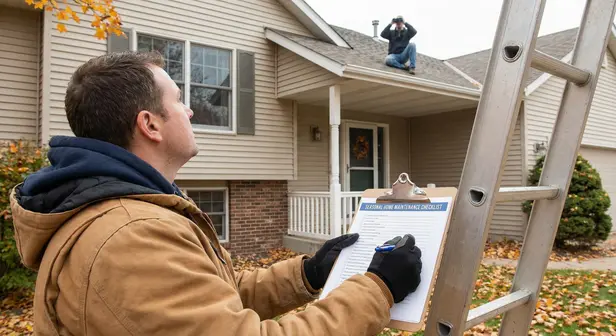
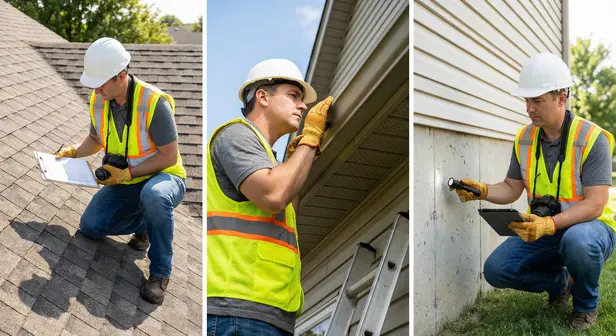
Prevention starts with understanding water sources and vulnerabilities in your home. Identify and address:
Common Water Vulnerability Areas
- Roof leaks—water stains on ceilings indicate roof problems
- Plumbing leaks—check under sinks, around water heaters, and visible pipes
- Foundation cracks—allow groundwater infiltration in basements
- Poor drainage—gutters, downspouts, and grading direct water away from foundations
- Sump pump failure—backup systems prevent basement flooding
Install water detection sensors in vulnerable areas (near water heaters, under sinks, in basements). These alert you immediately to leaks before catastrophic damage occurs.
Emergency Response
If water damage occurs, immediate action is critical:
Immediate Action Steps
- Stop the water source: Turn off main water valve if caused by burst pipes or major leaks
- Turn off electricity: Water and electricity don't mix; turn off power in affected areas
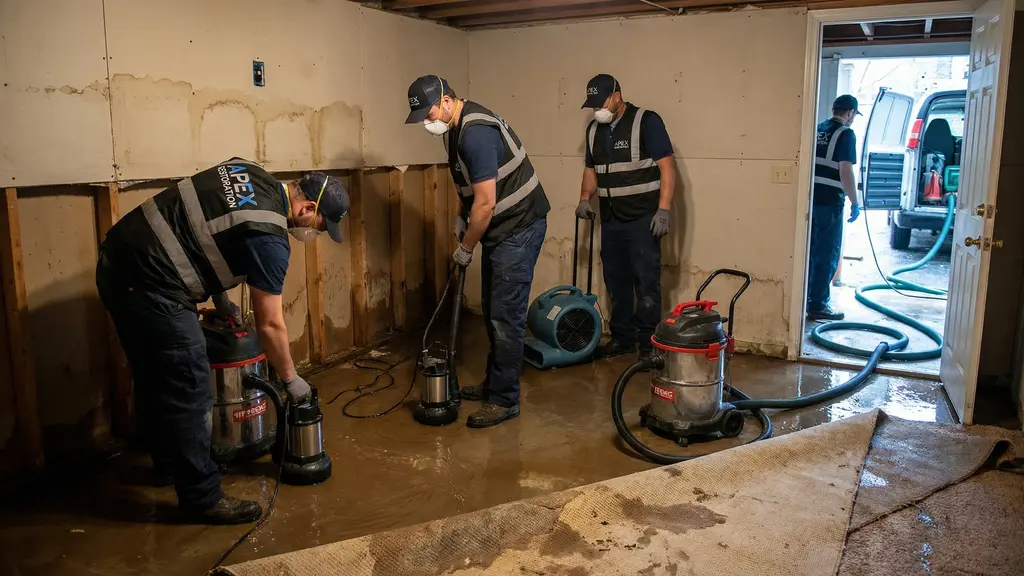
- Call professionals: Licensed water damage restoration companies have equipment to extract water and dry structures
- Document damage: Photograph everything for insurance claims before cleanup begins
- Begin mitigation: Open windows for ventilation, remove wet belongings, and start drying process
Water Extraction & Drying
Professional water restoration involves industrial pumps extracting standing water, followed by specialized equipment drying structures and contents. Dehumidifiers and air movers continue drying process for days or weeks depending on water volume.
Mold growth begins within 24-48 hours in wet environments, so rapid drying is essential. Professionals may use antimicrobial treatments to prevent mold colonization.
Structural Damage Assessment
Water damage assessment determines what needs replacement versus what can be saved. Drywall, insulation, flooring, and other materials often require removal if saturated.
Structural inspection identifies damage to framing, foundations, or support systems requiring repair. Insurance adjusters evaluate damage and coverage for restoration costs.
Prevention & Insurance
Regular maintenance prevents most water damage. Ensure gutters function properly, downspouts direct water away from foundations, and grading slopes away from your home.
Review insurance coverage for water damage specifics—standard homeowners policies cover some water damage but exclude flood damage, which requires separate flood insurance. Document your home's contents for insurance purposes.
Quick response to water damage minimizes restoration costs and prevents secondary damage like mold growth. Professional water restoration services are worth their cost by preventing exponentially larger losses.
💡 Need Help Implementing This?
Our professionals can help with plumbing, and electrical. Get a free estimate from Handy Johnny today.